Suakin

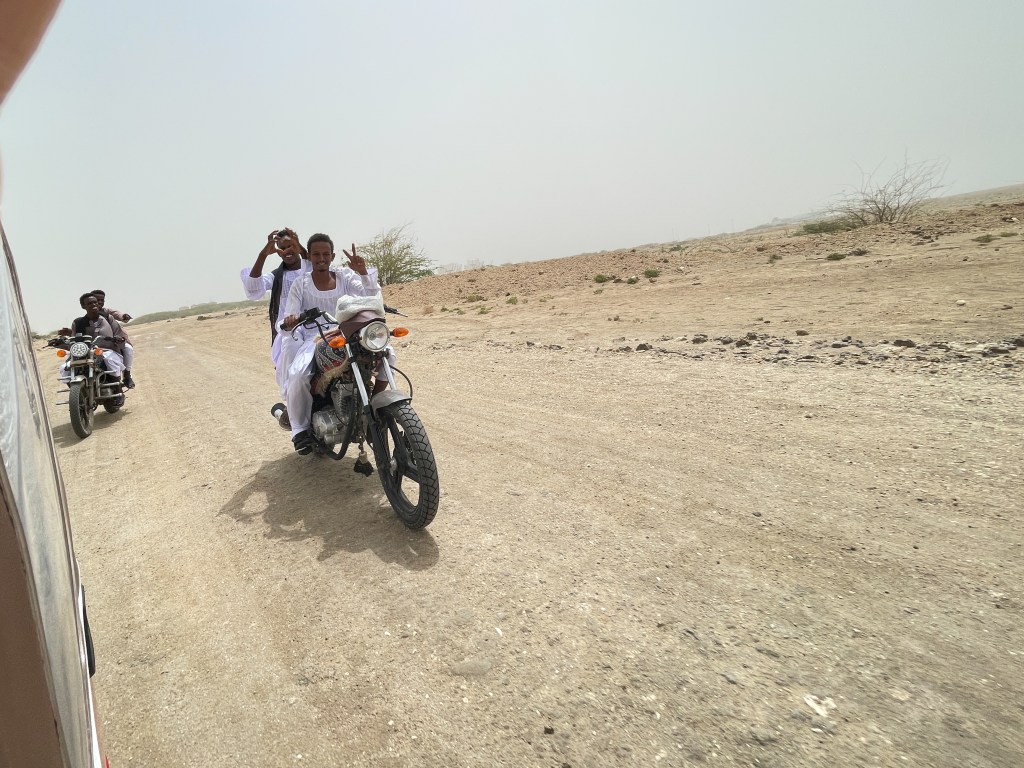
Canada’s Prime Minster Mark Carney is polling high amongst Sudanese men, ages 18-25 years. Carney is a conversation point, second only to stats on all the team members of Toronto FC Soccer team. This isn’t just superficial chitchat. They know a lot about Toronto and Canada. They love Canada in a way that made me weirdly proud – like we’re some kind of beacon of civility at the moment.
Understandably, a beacon is what young people here need.
The coastal port of Suakin, Sudan may not be feeling the direct effects of Sudan’s war but the economic reality of their government waging a genocide on half its people means that Suakin is impoverished despite the opportunities of being port on the Red Sea. The ancient ruins date back to 1000 AD, a thriving protected habour on a busy trade route. (You can read a bit here, were someone else has collected historical photos of this amazing place).
Sangabneb National Park
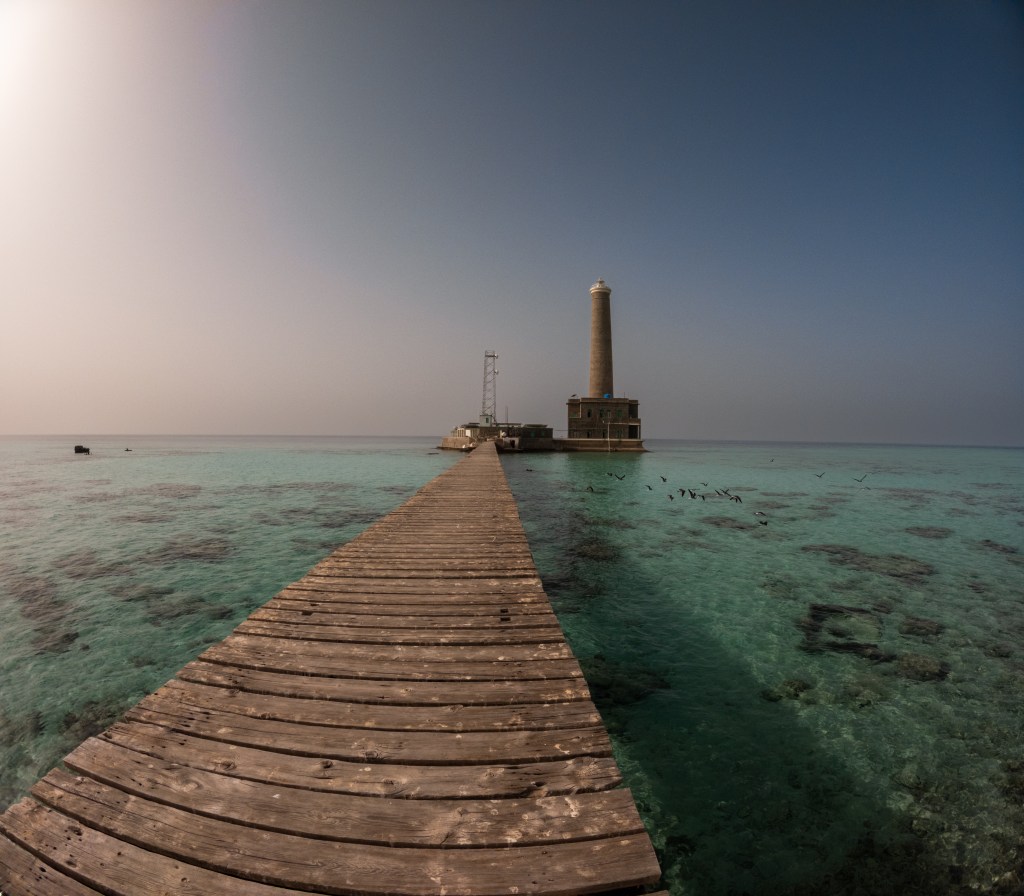
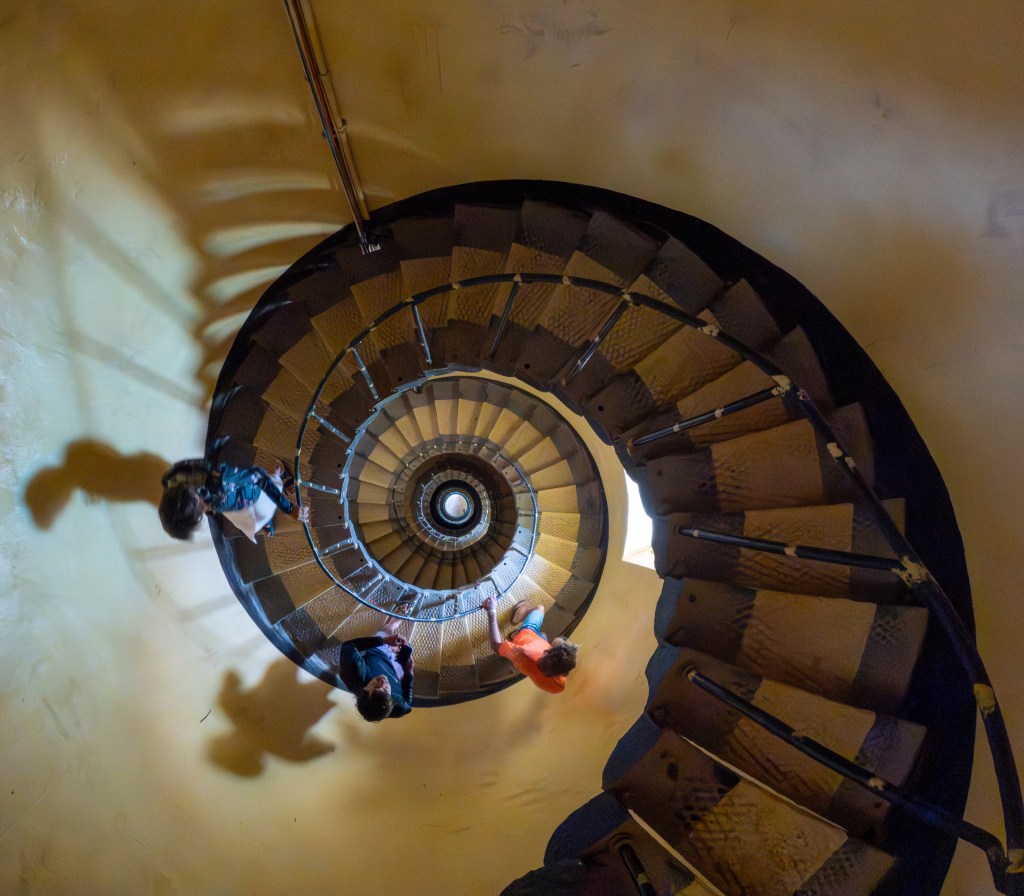
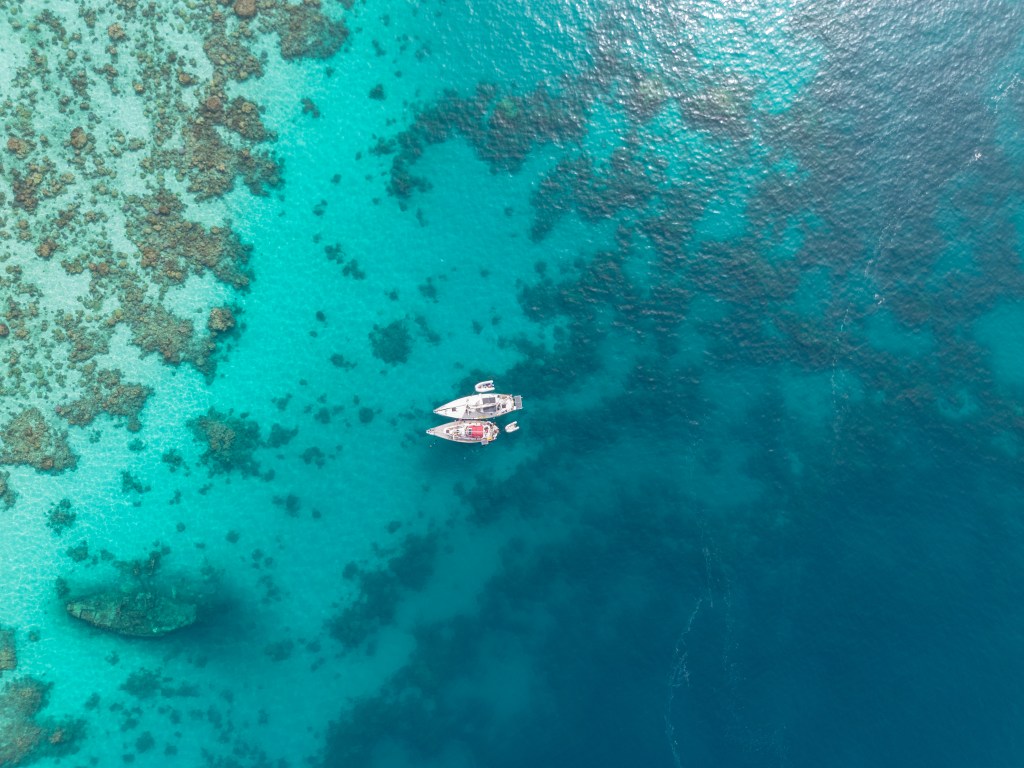
Sha’ab Rumy
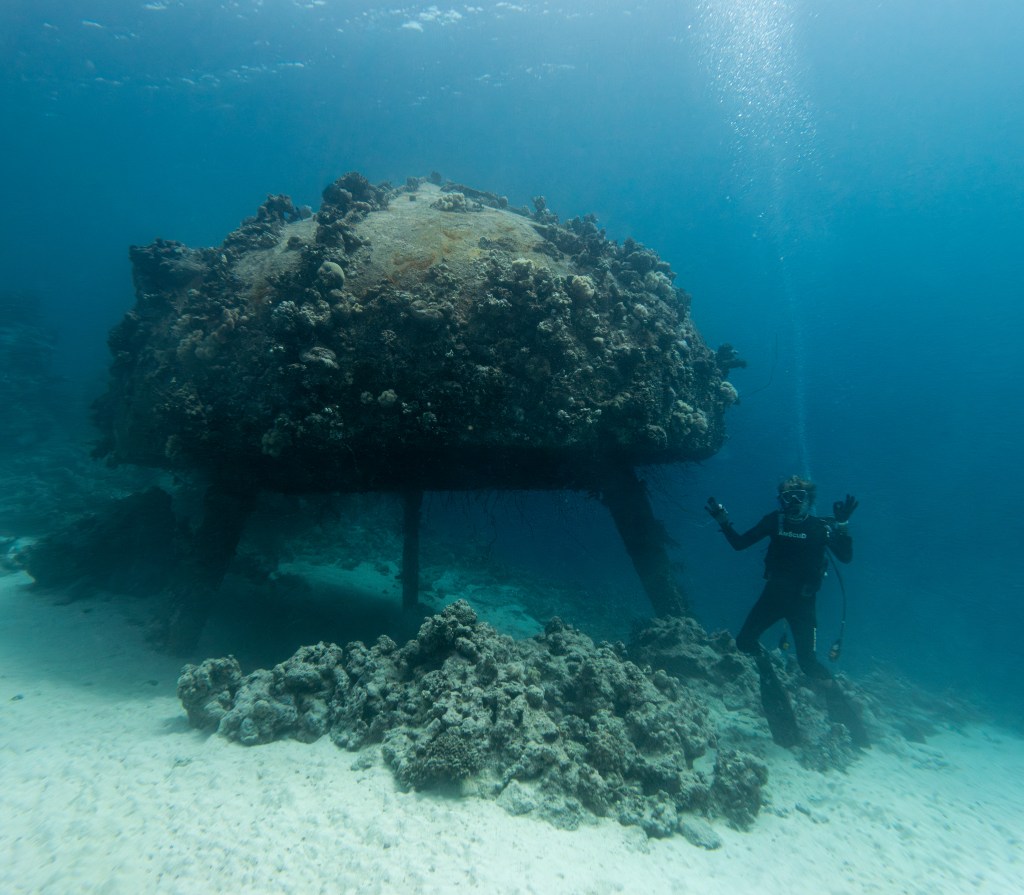
Diving in Sudanese waters of the Red Sea has a long-ish history that tracks with the development of SCUBA by Jacques Cousteau. In 1963, he set up an underwater habitat called Conshelf II to see if humans can live underwater for extended periods. In the 30 day experiment, amongst other things, they found that wounds heal faster and the celebratory champagne was flat at that depth.
Ian was stoked to see it as Jacques Cousteau has always been one of his heroes.
See the Wikipedia page for the list of all the Continental Shelf labs and check out the slow-paced, Oscar-winning documentary The World Without Sun (rec’d to watch on 2x speed).
Spoofing
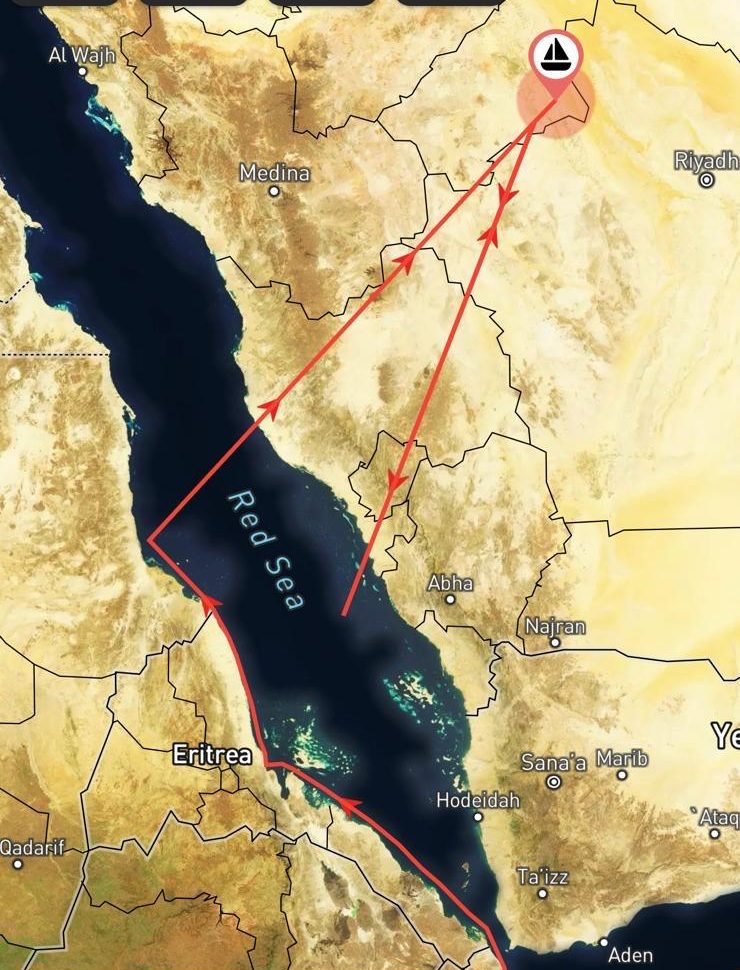
This is obvious spoofing – we never did 40knots on land during any part of the trip
Spoofing is when your GPS on your navigation device (in our case, an app on our phones or the chartplotter in the cockpit) is bounced to some other location. It can be sneaky and coordinates are off by just a bit or obvious and off by a lot. Spoofing is sophisticated deception. Compare this with jamming which is service disruption, and apparently pretty easy to do.
Sudan’s civil war started in 2023, and the Sudanese military has loose control of the coast. For military reasons, the coast of Sudan has intermittent spoofing to deny accurate positioning of infrastructure along the coast.
Several nerdy sailors anticipated this problem and built a work around using Starlink. With their app, we get an alert that we’re being spoofed, and we then redirect our location on our phone from the in-built GPS to instead use the positioning from the Starlink position. It’s sluggish as the position doesn’t update as often but we ended up needing it coming into Suakin because we were spoofed while navigating through the outer reef, with lots of wind…in the middle of the night.
NEXT: We’re on to Egypt
High Seas Treaty Update
Currently, international waters are not governed. It’s still a gluttony of “first to the table” fishing rights. The UN High Seas treaty would bring governence to fishing, mining, and expand protected areas. As of today, 87 countries have ratified the treaty, which means those countries will meet to set the terms for the agreement, and ratifying countries will be bound by the agreement.
If you want to check if your country has ratified the treaty, see here. If your country has still not ratified the treaty, contact your representative to tell them you want to see a future where 30% of our oceans are marine parks.
China and Japan have ratified the agreement, Canada and US have not…as many, many institutions of international cooperation are being eroded at this time, the UN High Seas treaty is something shiney and new and urgently needed to ensure the complex cycle of ocean health can continue to play a role in saving the planet. Everything from healthy dumps of whale poop to plankton blooms are needed to regulate the earth’s temperature for the coming decade (yeah, we’re not talking a timeline in centuries anymore, it’s urgent).

 Sailing Afrikii
Leave a comment