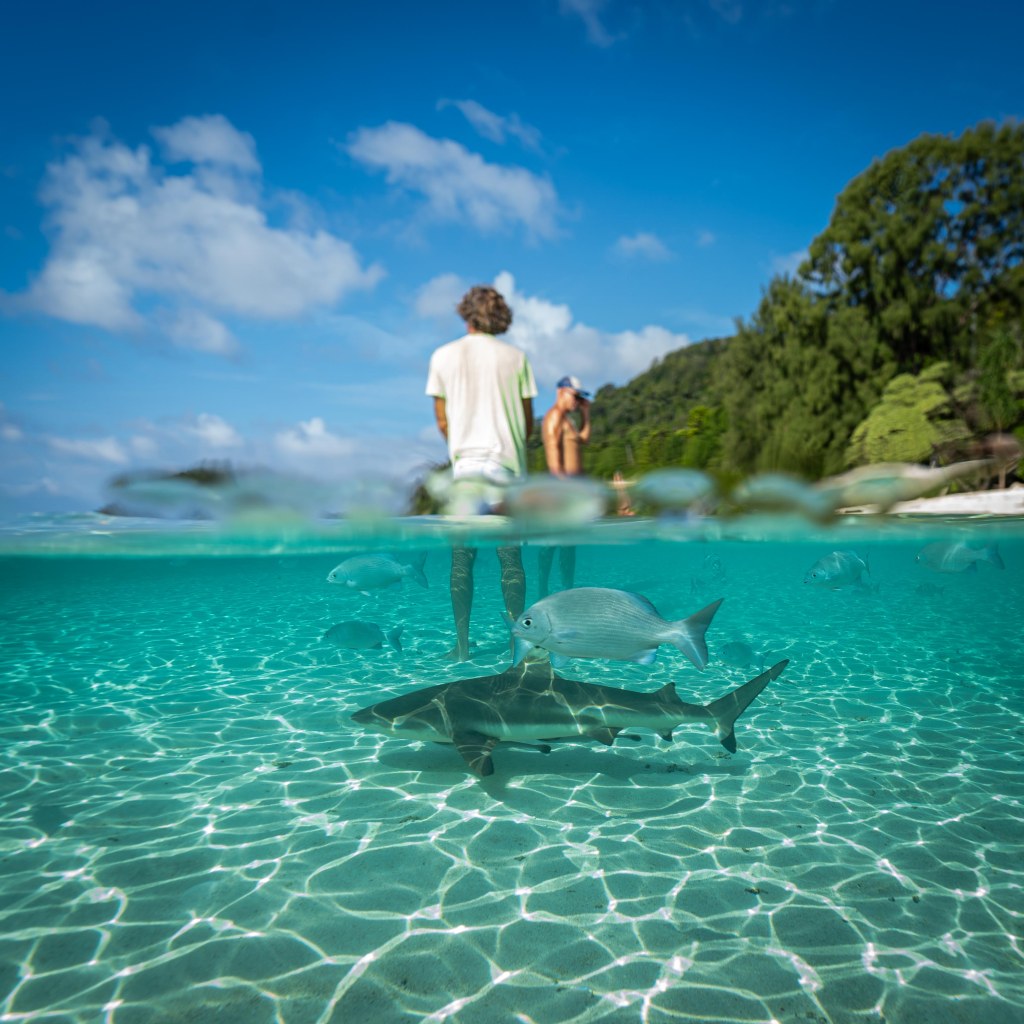
Our autopilot broke Day 1 in our sail from PNG and we had to hand-steer the remaining two days to Biak, Indonesia. We did have some wind to use the hydrovane to steer but mostly we had no wind and one of us stood numbly at the wheel staring at the horizon, questioning the point of this adventure. We arrived knackered, cranky and hungry, and we were greeted by the absolutely awesome couple Ahmed & Yulia at Nirmala Beach Resort who helped us check into the country. They helped get money, buy groceries, and hosted us for dinner. I love them. If you’re ever in Indo, check out this far flung place for the people, the WWII museum, and the cave & wreck diving.
The autopilot, it turns out, had developed a lot of organic growth in the hydraulic fluid. Ian called a guy in the UK and they diagnosed the problem and figured out that the cartridge, which controls the flow of the hydraulic fluid, had seized because of this. We were relieved that the autopilot was not dead because getting parts into Indo comes with about 40% import tax and weeks and weeks of waiting. Ian had to drain the reservoir, clean it out, and refill it with not-the-right-stuff-but-close-enough fresh hydraulic fluid and added biocide. As we move through Indo, Ian keeps checking hardware stores for the right hydraulic fluid, so he can clean out the hoses and replace all the fluid. Having a boat means you fix it in exotic locations.

Oceanic mantas in clipping current and poor viz, near Wasai. The coolest experience to hang with them suspended in the current feeding.
We sailed across the top of West Papua, provisioning in Sorong, then headed to Raja Ampat. This place has the reputation of being the last paradise on earth. And while it’s beautiful with the towering karsts and turquoise waters, I regret to report that it suffered a major coral bleaching event in December. Large swaths of dead coral interspersed with areas spared. There were pockets of areas like Wofoh that seemed untouched.

The 550 lb iridescent giant clams are a healthy site on the reef. Their built-in solar panels have just been estimated to be the most efficient energy-generation system on earth (see new study at Yale – 67% effiicicent compared to the 10% on our fancy solar panels). It also means they are capable of blowing off heat as global ocean temps warm. We risk missing these types of discoveries if there is a massive collapse of life in the ocean.
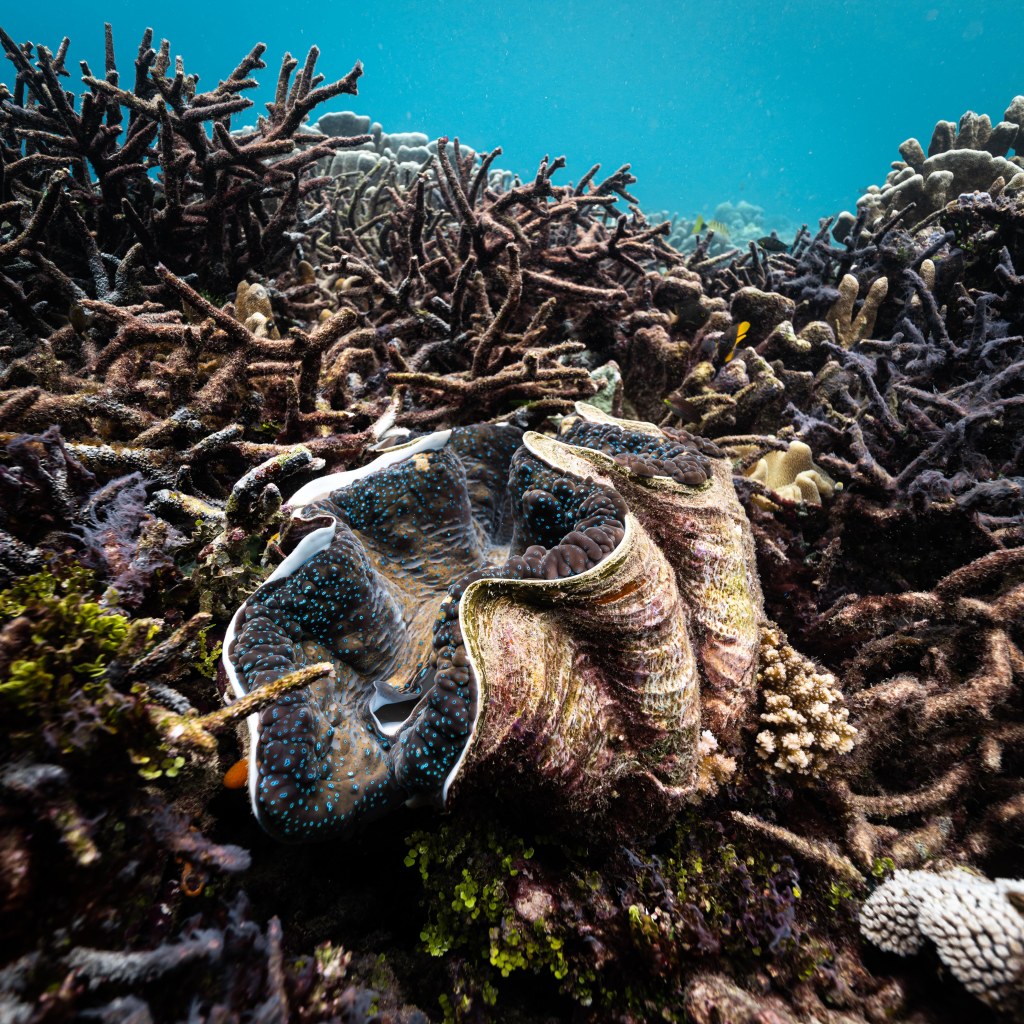
Though the giant clams may survive a rise in global ocean temps to a point, the rest of the surrounding coral fries then dies.
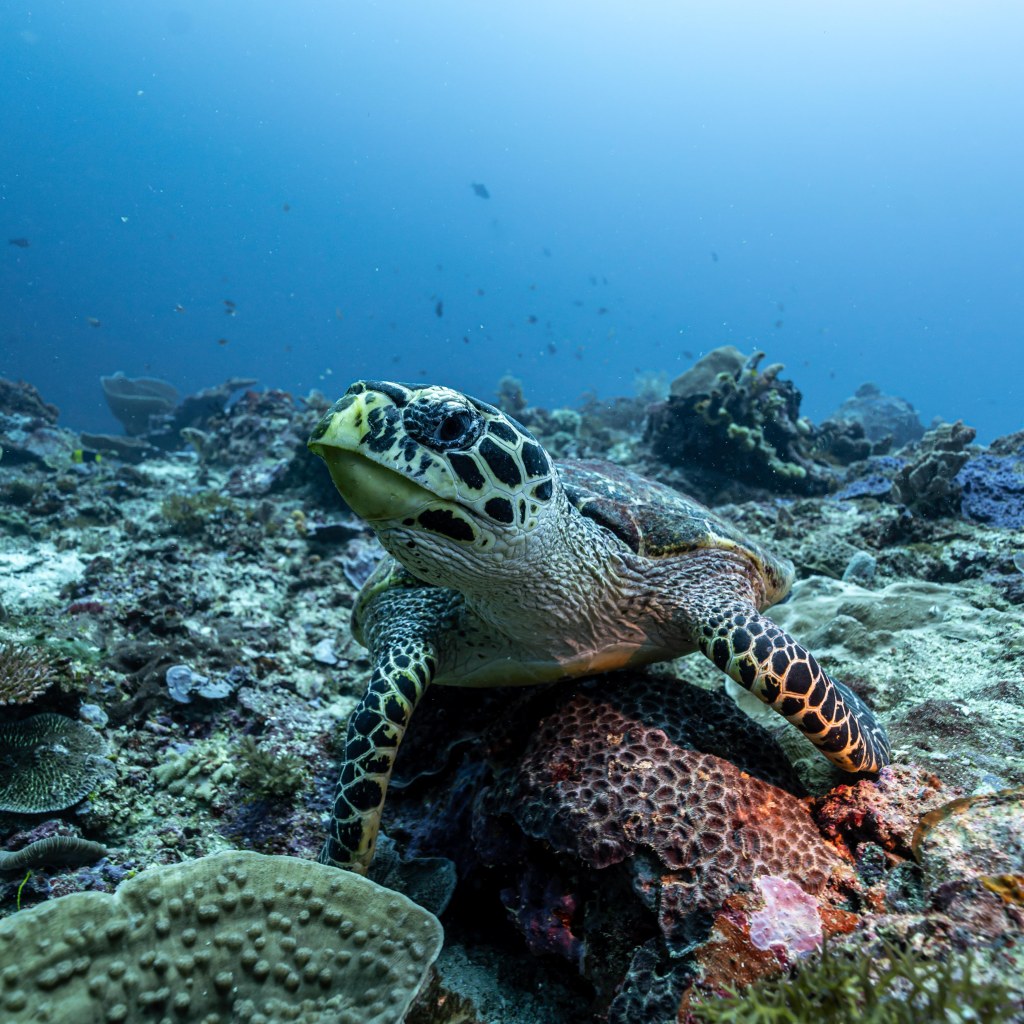
“Oh honey, if I go, you go.” The UN High Seas Treaty could offer one solution to demarcate 30% of the oceans a marine park and manage sustainable fishing. At the moment, the oceans are a first-come-first-served with no regulation of catch. Country ratification will provide a legal instrument to regulate and enforce ocean protection. Lobby your federal government, even if you’re in the US.
On a final note, for the next provincial and federal elections in Canada – I gotta ask, can the left not unite? Jay-sus we are our own worst enemy.


 Sailing Afrikii
Leave a reply to Carolyn Kelly Cancel reply